The Circular Solution
Manufacturing Leadership Journal content and MLC resources are exclusively available to MLC members. Please sign up for an account or log in to view this content.
The Sustainability Gap
Manufacturing Leadership Journal content and MLC resources are exclusively available to MLC members. Please sign up for an account or log in to view this content.
Inside Procter & Gamble’s Push to Net Zero
Manufacturing Leadership Journal content and MLC resources are exclusively available to MLC members. Please sign up for an account or log in to view this content.
Analytics for Aerospace: Creating One Powerful Cell
Manufacturing cells that incorporate automation and analytics can boost both efficiency and sustainability for the aerospace industry.

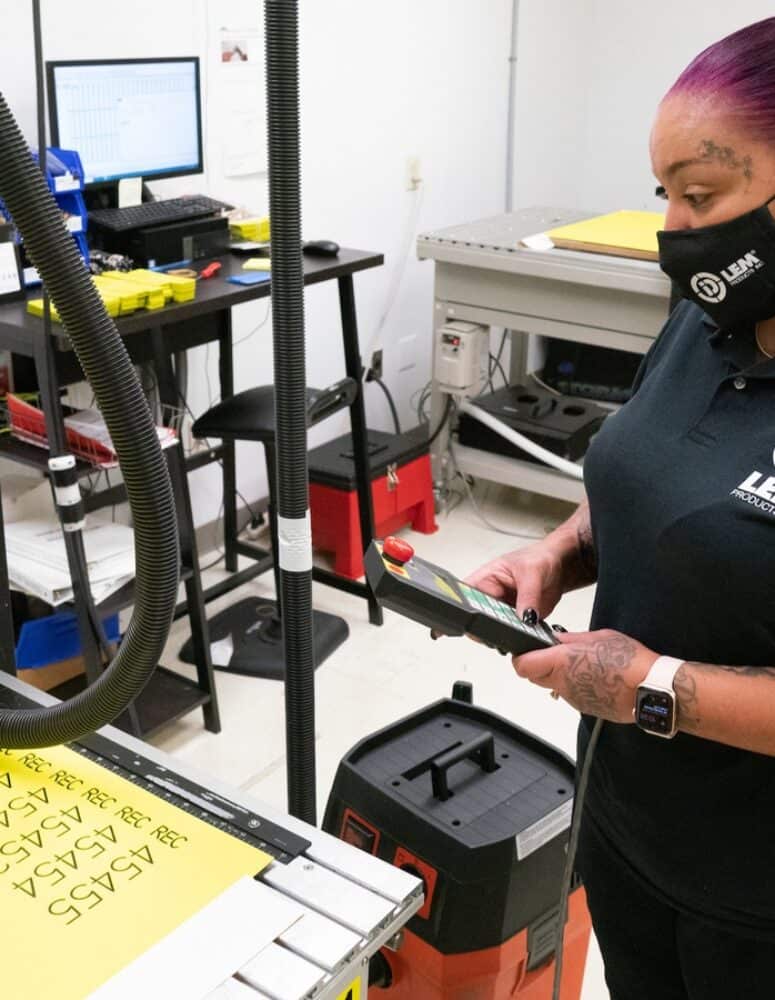
Aircraft manufacturing demands the highest-quality materials, highly trained experts, rigorous quality control, and precision processes that remain largely manual. These demands make it an ideal candidate for a digital reinvention.
By combining major leaps in operating technology (OT) with integrated IT for a fully optimized environment, aircraft manufacturers can take advantage of recent advances in automation and analytics to improve manufacturing speed and accuracy and reduce waste, making manufacturing cells both more efficient and sustainable.
Challenges abound
A single-aisle commercial aircraft contains tens of thousands of nutplates. The manual installation of each one takes three to four minutes.

This process is repeated thousands of times over the life of the craft as plates are removed and reinstalled for routine maintenance. Until now, nutplate installation has been done manually, exposing manufacturers to risks including:
- Human error: Over the course of tens of thousands of manual actions, mistakes are inevitable. The potential for error is compounded by the small size of nutplate components, which make them difficult to handle and increase the potential for mistakes.
- Rising costs: Beyond the sheer labor cost of time on the job, the associated errors of manual installation lead to increased costs through scrapped materials, poor inventory management and time-intensive quality control.
- Inefficiency: Manual installation often requires down time for changing tools and changing shifts. It also limits visibility across the manufacturing environment, which means that resources are sometimes unavailable or poorly optimized.
 To meet today’s demands to become more sustainable and socially accountable, manufacturers must also find ways to reduce the waste and inefficiencies inherent in their legacy processes, and the aerospace industry is no exception.
Tremendous Potential
To address these multiple challenges, automated manufacturing and robotics technology provider, JR Automation, has deployed Hitachi Vantara’s Lumada Manufacturing Insights in its SmartAttach™ manufacturing cell as a way to merge the huge advances in automation at the operational level with superior insights at the informational level to help drive a comprehensive shift toward smarter aerospace manufacturing for the future.
AI Roadmap: How Manufacturers Can Amplify Intelligence with Artificial Intelligence
Get the Latest News
Sign up here
Artificial intelligence offers manufacturers a host of benefits. These include better visibility into supply chains, insights from predictive analytics and the ability to respond to unexpected changes in demand more efficiently and quickly. Here’s a six-step roadmap for manufacturers looking to integrate AI into their business.
Six-Step AI Roadmap for Manufacturers
- Acknowledge AI’s potential
Engage the C-suite in dialogue about how best to use AI. Allocate resources for specific AI projects and set priorities across the business. Pick company AI “agents” who can create business cases, develop metrics and put AI solutions into action. - Transform and plan
Create an AI plan that includes key performance indicators in line with your business strategy. Establish a special data unit to address needs AI could help support, such as data collection and cleansing. - Build your data foundation and structure
Convert any remaining nondigital data, “clean up” other data sources so they don’t contain errors or duplicates and add structure to boost your data quality and effectiveness. - Create an external “partnership ecosystem”
If your business doesn’t have in-house AI expertise, engage outside experts such as start-ups, academic specialists and consultancies. - Leverage in-house AI expertise
Employ outside AI experts to teach other staff members about data science. Your existing workforce will need this information to learn new skills and fulfill new responsibilities. - Create architecture and infrastructure
Consider using standardized infrastructure service offerings that can slot easily into your existing business setup. This will make integration much smoother.
Why does AI matter? Manufacturers that create AI-friendly cultures today are positioning themselves to boost customer and employee satisfaction tomorrow—and they’re gaining a competitive edge to boot.
Related
How BASF Uses Enhanced Reality to Help Workers Learn
Get the Latest News
Sign up here
The human side of digital transformation was on full display at a recent virtual plant tour of BASF Chemical Intermediates Geismar, Louisiana, facility. Hosted by the NAM’s Manufacturing Leadership Council, the tour gave participants an inside look at how the company is using Voovio’s enhanced-reality technology to transform employee training.
Who they are: BASF Chemical Intermediates, a division of German multinational chemical manufacturer BASF, makes approximately 600 distinct products sold worldwide to the chemical, plastics, agricultural and consumer goods industries, among others.
What is Voovio? The company has partnered with simulation-software maker Voovio to design a customized training solution for its employees: a virtually accessible digital replica of the BASF plant.
- Using a computer or other digital device, employees can select plant components such as valves, pumps and control panels to get a detailed view of each. These components respond and perform virtually the same way they would in real life.
- Using the software, trainees can click on any piece of equipment in any workflow to see how it fits into each process.
Why use it? BASF wanted to make worker training faster, more interactive and more self-directed so employees could learn new skills and review existing ones more quickly and easily.
Scalable training model: The tailorable Voovio software offers different training-module levels based on each worker’s experience level and skills.
- Training modules include an equipment replica, tasks to be performed and an action checklist for completing a series of tasks.
- Employees get feedback from the software as they perform each virtual procedure, letting them know whether they’ve performed a task correctly.
Real-world application: Voovio also lets companies take the training into the production facility. Using an approved digital device, employees can perform test runs at any time to ensure they’re prepared to complete a job on the ground.
The verdict: BASF has already begun to reap the benefits of the software. Since implementing Voovio, it has seen a marked increase in both worker competency and productivity.
Sign up for a virtual plant tour: Don’t miss the MLC’s upcoming tour of Johnson & Johnson’s facilities on Wednesday, Dec. 1, from 11:00 a.m. to 1:00 p.m. EST. You will see how Johnson & Johnson uses mobility tools, advanced robotics and material handling, as well as adaptive process controls to drive improvements. After the tour, stay for the panel discussion on how to scale advanced manufacturing technologies to ensure a sustainable, reliable and adaptable product supply chain. Sign up today!
Related

How Cloud Computing Could Help Chip Manufacturers
Get the Latest News
Sign up here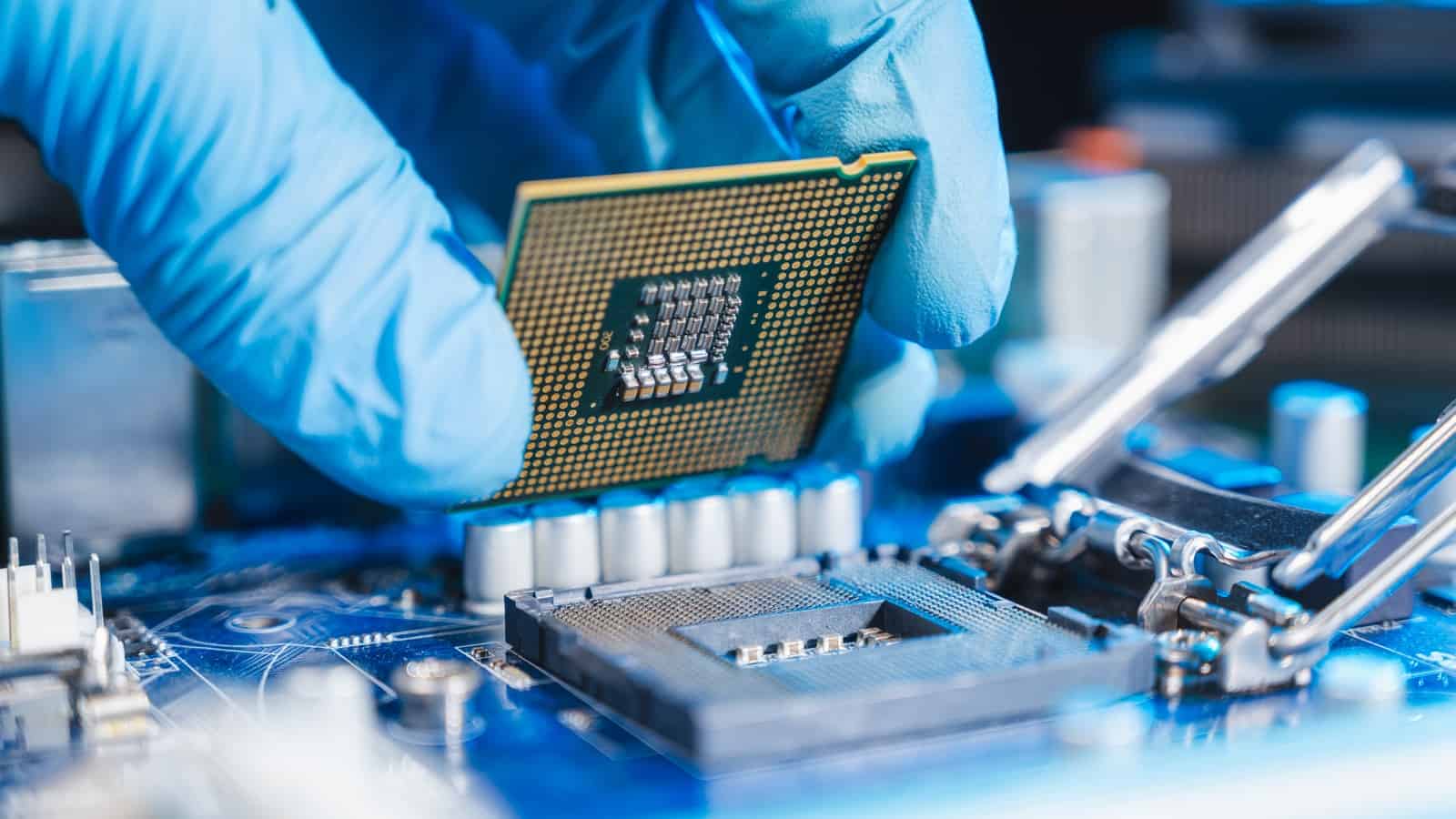
One small component is creating big delays in global supply chains: the ubiquitous semiconductor or chip. These components are not only essential to our phones, laptops and other electronics, but to the production process in just about every sector of the manufacturing industry. So, what would help us produce more of these desperately needed parts? According to Birlasoft Vice President and Global Business Head of Communications, Media & Technology Nitesh Mirchandani, the answer is cloud computing.
Why the shortage? As COVID-19 unfolded, millions of consumers purchased new laptops, smartphones, game consoles and other devices as they spent more time at home. This shortfall was compounded by the existing high demand for chips brought on by the growth in smart products—everything from thermostats and appliances to robot vacuum cleaners and GPS-enabled dog tags. COVID-19 also caused a wave of semiconductor factory closures that also exacerbated the problem. The result? A shortage that industry experts say could last through 2022.
Why the cloud? Cloud computing is the on-demand delivery of resources like data storage, software, networking and other services via the internet. Users either purchase a set subscription or pay by their level of usage—both cheaper and more flexible options than maintaining an on-site IT team for all needs. Cloud computing has several advantages for semiconductor manufacturers, according to Mirchandani:
- It speeds up time to market through swifter design and development. Because they can be accessed anywhere, cloud services enable teams to connect and collaborate more easily. Development cycles become quicker as teams connect better internally and with other parts of the business, including partners and suppliers.
- It enables data-driven business decisions. Thanks to the faster processing and analysis of cloud computing, manufacturers can get instant information on things like factory performance, supply disruptions or customer demand. Likewise, workers can be alerted to a machine that needs maintenance or to potential defects in materials or products.
- It provides service continuity. Internal IT teams often have limited resources. Cloud infrastructure is managed by specialists who can ensure uninterrupted service, so in-house IT teams don’t need to continuously maintain software through updates and patches.
Why it matters: Semiconductor shortages threaten to drag down the economy just as recovery is getting underway. Businesses rely on chip-enabled technologies for creating products, managing operations and maintaining the flow of goods and services. Consumers rely on them for smarter, safer homes and connections to work or school. Unless chip manufacturers can shore up production to meet demand, the ripple effect will create added distress for many sectors of the economy.
Related

A Manufacturer Goes Lean and Wins Big
Get the Latest News
Sign up here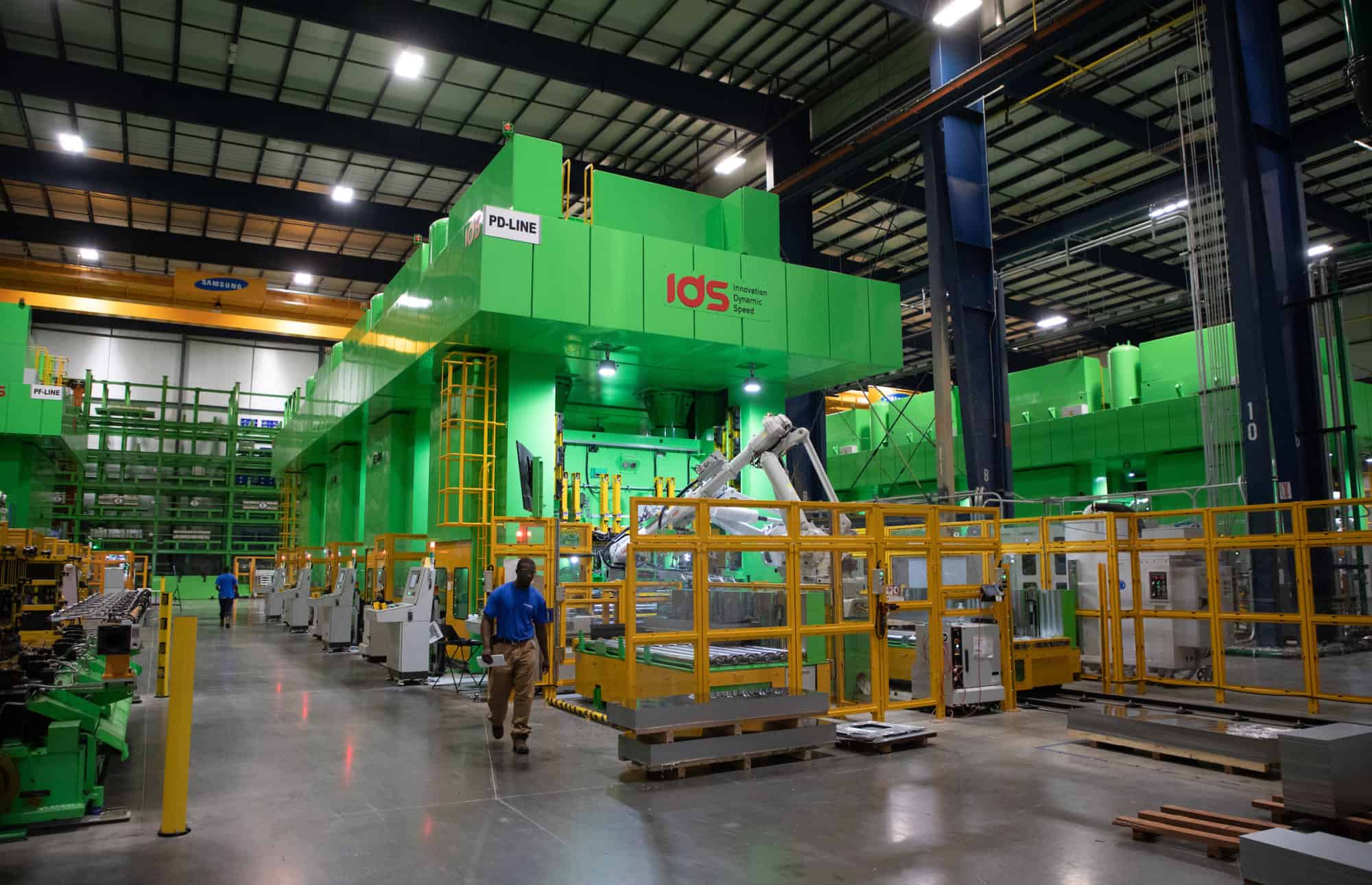
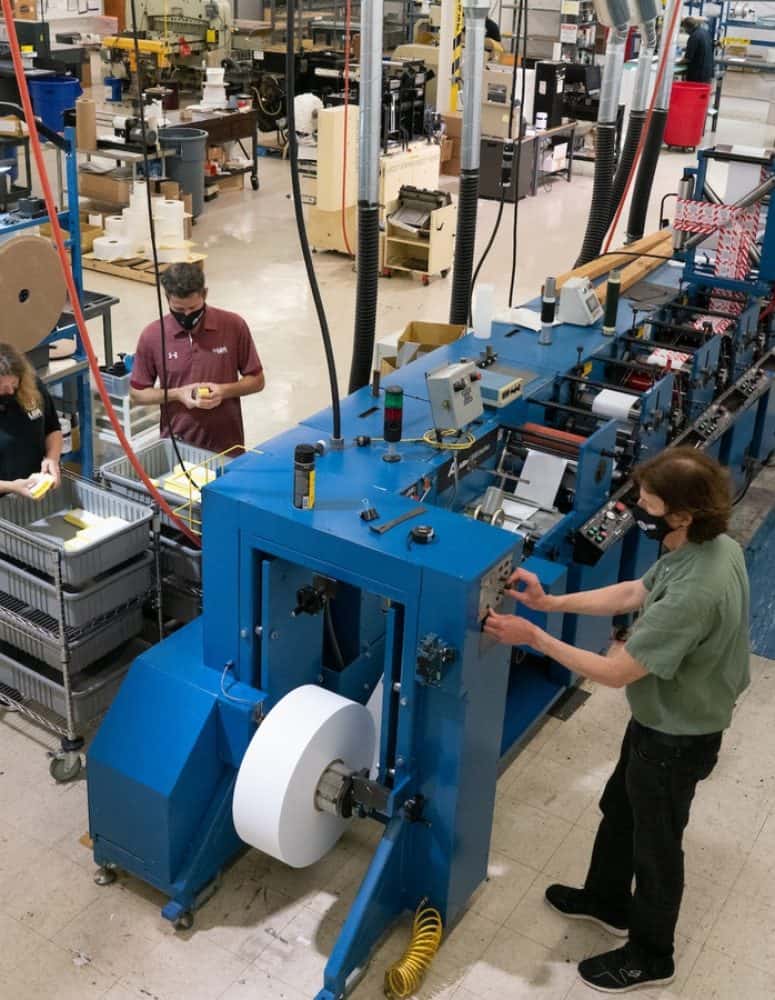
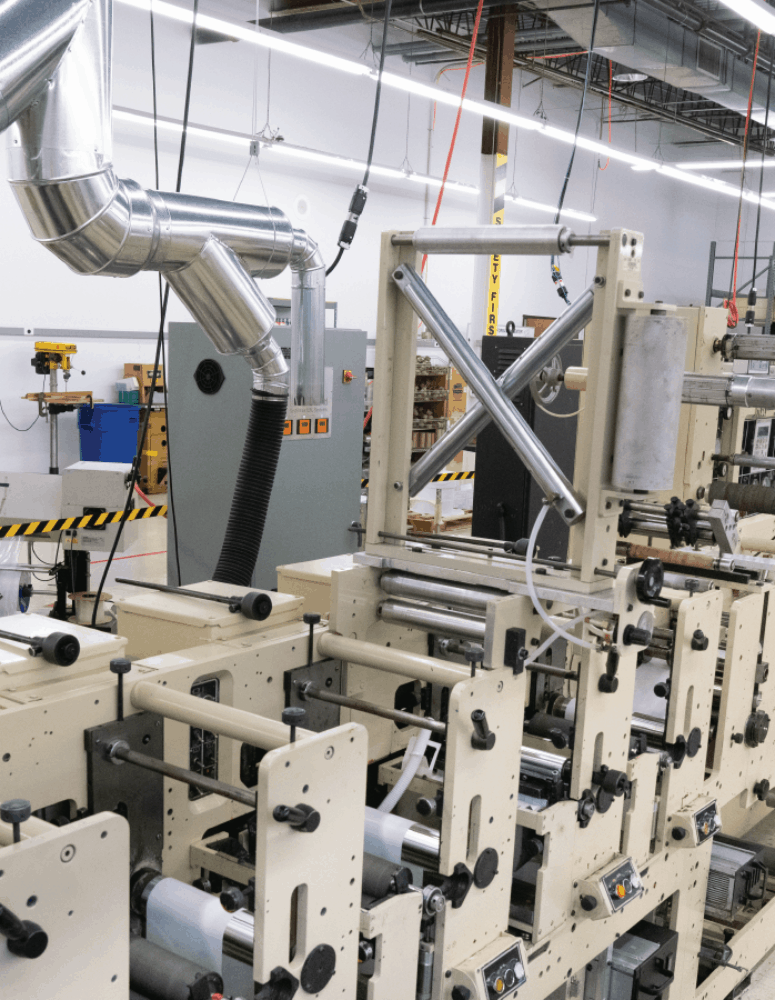
Consumer goods manufacturer Church & Dwight found that it needed to boost performance to meet customer demand. To meet this goal, it embarked on an ambitious Lean initiative at all of its 13 production facilities.
“We look at all challenges through the lens of Lean manufacturing—it’s the only way that we can operate,” said Bruno Silva, vice president of manufacturing operations.
What’s Lean? Researchers James Womack and Daniel Jones first defined the concept of Lean manufacturing as “a way to do more with less … while coming closer to providing customers exactly what they want.” Many manufacturers see mastering Lean as an essential springboard to operational initiatives like digital manufacturing and other advanced production practices.
Setting the stage: In developing its Lean program, Church & Dwight first held a weeklong leadership summit to decide on standards and expectations. The company’s leaders came up with a Lean assessment system with 16 standards and a definition for achievement at the gold, silver and bronze levels. But the essential part was ensuring frontline employees were driving improvement from the bottom up—not the other way around.
- “This is not corporate pushing it down,” said Felipe Vilhena, director of Lean manufacturing – global operations. “We help workers overcome challenges and give them the right tools to do that. We created a mindset and expectation that improvements are part of the work.”
Putting it into practice: Initially, each worker was asked to list five potential improvements at his or her site, and then go out and make them. The company provided training and support to help with these fixes, while managers kept employees fully informed of their progress according to key indicators.
- Workers formed self-directed teams and continued to seek out improvements, which they began making more and more frequently. Thanks to the trust and autonomy that employees were given, engagement and retention measurably increased at the same time.
Receiving recognition: The company’s achievements have received recognition from its peers in the industry. One of its top-performing facilities in Green River, Wyoming, earned the company a 2021 Manufacturing Leadership Award in the Operational Excellence category from the NAM’s Manufacturing Leadership Council.
The last word: “It was important to create the right expectation and mindset,” Vilhena said. “From big to small improvements, we are seeing them happen every day.”
Related

Dialogue: Transforming the Future at Shell
Manufacturing Leadership Journal content and MLC resources are exclusively available to MLC members. Please sign up for an account or log in to view this content.
Pedal to the Metal
Manufacturing Leadership Journal content and MLC resources are exclusively available to MLC members. Please sign up for an account or log in to view this content.