
Innovating for the Future
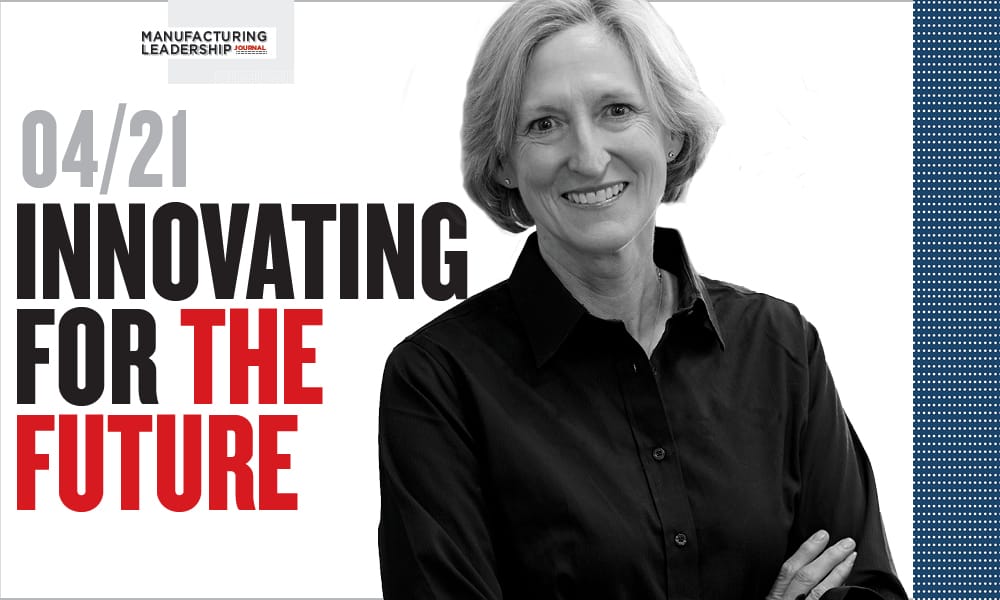
Accelerated innovation driven by digital transformation can solve some of the world’s greatest challenges, believes retiring MLC Board Member & Protolabs CEO, Vicki Holt.

“Companies need to understand that not changing, not adopting digital tools, is no longer going to be an option.”
Vicki Holt, Former MLC Board Member and President & CEO, Protolabs
In March 1 this year, Vicki Holt retired from her position as President & CEO of Protolabs after a 42-year career in manufacturing. A member of the Manufacturing Leadership Council’s Board of Governors and the Board of the National Association of Manufacturers, Holt has been an active and passionate advocate of manufacturing and digital adoption for many years.
Since starting her career with Monsanto in the late 1970s, she held a number of increasingly senior positions in the industry before taking on the leadership role at Protolabs in 2014. Since then, Holt has helped oversee four major acquisitions and grown the rapid digital manufacturing company into a $434 million force in product innovation, prototyping, and production with a network of plants across three continents.
In our latest Dialogue with a manufacturing industry thought leader, Holt talks to Manufacturing Leadership Council Executive Editor Paul Tate about the industrial shifts she’s witnessed over the last 40 years, and the critical role that digital transformation, accelerated innovation, and ecosystem collaboration will play in the future of manufacturing.
Q: What excites you most about working in manufacturing?
A: I think today is the most exciting time in manufacturing. One of those inflection points that’s going to have a huge impact over the long term because we’re really combining digital technology and software with hardware to reinvent how manufacturing is done and to bring new and exciting services to our customers. Today we’re creating value in entirely new ways because of the use of digital technology as part of Manufacturing 4.0.

“Companies are learning that innovation is critical, and that by using digital tools, it can happen more rapidly and more efficiently.”
Q: What challenges keep you awake at night?
A: There are many challenges that companies face in the transformation that we’re going through. One we face at Protolabs is that we are 100 percent a B2B e-commerce company. In the manufacturing and industrial space, that’s a different approach. We’ve had to work very hard to get our supply chain and customer companies to change how they interact with us so that they can actually do business entirely in a B2B e-comm fashion. And if you take a technology lead like that , all of the infrastructure has to develop with you. So, for example, the use of 3D CAD (computer-aided design) technology. If companies aren’t using that and they’re working only in 2D drawings, our business model doesn’t work.
Another challenge we’re facing, and this is not Protolabs alone but everyone in the digital world, is that with digitization cyber criminals have become a lot more prevalent, a lot more persistent, and a lot more creative. So, companies like ourselves, which rely on digitization in many aspects, have to invest a lot in resourcing cyber security. We have to insist that our suppliers do that too, and that their customers are doing that as well.
I think the third challenge that keeps me awake at night is that the pace of change is accelerating with digitization, it’s the clock-speed of change out there. Even though we believe we’re leaders in digital manufacturing we cannot be complacent. We’ve got to continue to move and adapt and innovate to remain a leader, and we have to be open to making investments in new and emerging business models that are complimentary to ours.
Q: What are the most significant changes you have witnessed in manufacturing over the last four decades?
A: As I reflect back, there have been three evolutions that really stick out for me. Very early in my career, it was all about lean manufacturing and continuous improvement, led by the ideas around the Toyota Production System, a movement that migrated from Japan and quickly spread throughout the world. It became table stakes for being able to effectively compete in manufacturing. And I think that movement was also a really important precursor for digitization because it doesn’t make sense to digitize a process that has not been leaned out. So, it’s really been part of a continual evolution. The second change was a huge migration that took place in a lot of supply chains to take advantage of lower labor costs in other markets. We saw that happening throughout the 1990s and into the 2000s with significant investment in manufacturing supply chains in China and Southeast Asia. Today, with digitization, there are now opportunities to actually look at those supply chains again and build some greater resiliency into them. The last change is the one we’re in the middle of right now. I still think we’re in the early stages of Manufacturing 4.0 and digitization. We’ve probably got another five to 10 years left of the digital transformation journey that’s underway right now.
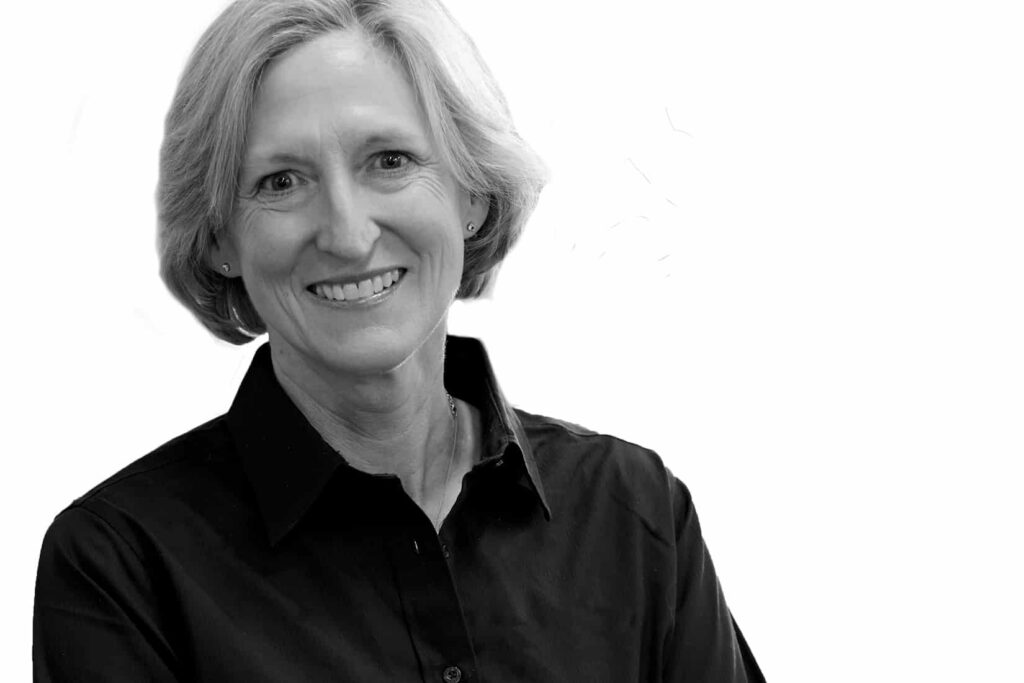
“I think today is the most exciting time in manufacturing. One of those inflection points that’s going to have a huge impact over the long term”
Q: How would you characterize the key trends that are now driving today’s manufacturing industry?
A: We’ve seen some really interesting trends recently that are forcing us to change but are also opening up some real opportunities. One is that the COVID-19 pandemic has really accelerated B2B ecommerce. I believe it’s jumped forward four to five years in its evolution. Leaders of supply chains and operations are now realizing that they can pivot from a manual world into a digital, paperless, ecomm world and frankly, it’s much more efficient. I think manufacturers who aren’t adopting B2B ecomm today are going to be left behind.
The other key trend is around innovation. When you look at what’s happened in the pandemic, it’s amazing how manufacturers have demonstrated how quickly they can innovate and commercialize new solutions. Look at Pfizer, and Moderna, and J&J. I am just so grateful for their rapid innovation and their rapid manufacturing scale-up and delivery. And that has taken digital tools to make it happen. They all use computer-aided machine learning in order to develop the vaccines and have used a ton of digital tools to efficiently get those products produced. We’re seeing this in action. I think companies are learning that innovation is critical, and that by using digital tools, it can happen more rapidly and more efficiently. Then, if you look forward, and we apply that understanding to other big problems the world is facing like climate change, we have a better chance to solve these big problems. But it’s going to take accelerated innovation and focus to get us there.
Q: What do you see as the key opportunities and challenges for the future as manufacturing companies continue to automate and virtualize their operations with advanced digital technologies?
A: Companies need to understand, and I think it’s starting to happen, that not changing, not adopting digital tools, is no longer going to be an option. But I also think we need to look at the opportunities and challenges with Manufacturing 4.0 transformation on a company-by-company basis because it’s often different. Companies need to stand back and look at their business. Look at their own challenges and identify the individual problems they’re trying to solve. And when they can articulate the problems, they need to step back to understand how the digital tools out there can help solve those problems. The opportunities could be around customer acquisition and revenue growth and retention. They could be in areas of their operations. They could be about creating a different customer experience from the products that they provide. So, I think that the opportunities are often unique, and the challenges are unique. You might have a company that’s relatively new and that doesn’t have a lot of investment in its current infrastructure to stand in its way. Then there are companies that have been around for quite some time and have a lot of legacy systems so they may not have today’s modern architecture and connectivity in place. Or, you could have a culture that is still very siloed in its functions. It’s very difficult to take advantage of new digital tools if you don’t create a very collaborative, cross-functional view of how to solve problems and make best use of the digital thread that connects you. So, I think the challenges and the opportunities really do depend upon where the company is and what their individual situation is.
“Attracting and retaining new talent as we go through this digital manufacturing revolution is critical to our success.”
Q: How do you think this wave of digitization, and recent disruptive global events, will change the way supply networks are designed and operated in the years ahead?
A: There will be changes. Previous supply chain disruptions, like weather events, or earthquakes, well before COVID, certainly caused some major supply chain disruptions. Yet the amount of change that’s actually happened so far as a result of those kinds of disruptions is kind of underwhelming. But when you look at what is happening today, companies are now beginning to build more resiliency into those supply chains. Many, of course, have huge investments in infrastructure with long supply chains, but they are now recognizing that the full cost of that approach is actually much higher because of the cost of sudden disruptions. Now they’re beginning to build in some alternatives and even some redundancy in order to be able to cover what might happen so that the costs of those disruptions aren’t so high. I think we’re starting to see some of that happening.
I also think continued advancements in digitization are going to improve cost competitiveness in markets that generally have higher labor costs because you’re going to be able to take advantage of all of the tools like robotics, like digital threads, to improve efficiency and take waste out. That’s going to open up other opportunities for resiliency with shorter supply chains closer to major markets. But there’s still a lot of work that needs to be done, as witnessed by what’s happening with the semiconductor shortage right now.
Q: What opportunities do you see for the manufacturing business to be increasingly conducted virtually/online? Is an e-commerce model applicable across multiple manufacturing sectors, whether its aircraft or chocolate bars?
A: I absolutely believe it is. There are B2B ecomm solutions for almost every aspect of the industry. I think a lot of the elements that go into manufactured products and assemblies are going to be configured online, whether it’s sensors, or controllers, or PC boards, and then you can digitally connect and purchase those components and very rapidly deliver them into a supply chain. It’s happened in the financial services market, it’s happened a tremendous amount in retail, and I think it’s going to happen in the B2B manufacturing world, too.
Q: Manufacturing companies continue to face a severe skills shortage. What can the industry now do to attract and inspire the next wave of young employees into manufacturing?
A: This is one of the most important things we have to work on in manufacturing because attracting and retaining new talent as we go through this digital manufacturing revolution is critical to our success. One of the most important things the manufacturing sector can do is to make sure the perception of manufacturing matches what the current reality is. It is not a dark, dirty, old kind of assembly line where you sit there and do a repetitive job for hours. That’s not manufacturing today. Manufacturing is high-tech. Manufacturing is automated. Manufacturing is vibrant. I love to listen to employees on the plant floor as we become more automated and use additional tools. They talk about how they make their job so much more rewarding because they’re able to add more to the process. So, it’s going to be people working side-by-side with technology that’s going to really enable this model going forward. Let me also say, that we have to attract that talent by creating cultures that embrace diversity, equity, and inclusion. We have got to be able to tap into all of the talent that’s out there. So, it’s important that companies work on their cultures to make sure every single person, regardless of their ethnicity or their gender, feel like they are part of the team and they can contribute to the fullest. That’s a really important element, too.
“We all need to take the commitment to get to net zero by 2050 very seriously. And that is going to take a huge amount of innovation.”
Q: What level of priority do you think manufacturing leadership teams should give to the development of more sustainable operations in the future, and how will this change manufacturing?
A: The COVID-19 pandemic has been very challenging, yet businesses have adapted and innovated to deal with it. But it’s a small problem compared to what we’re facing around climate change. That’s the next big challenge that the manufacturing industry as a whole, and every industry vertical, needs to be looking at. We need to work in a very collaborative way between the public sector and the private sector to make sure we keep climate change warming below 1.5 degrees. We all need to take the commitment to get to net zero by 2050 very seriously. And that is going to take a huge amount of innovation. First, we need to make sure it’s a very science-based and data-driven approach. We’ve got to understand where our carbon footprints are. Where are we generating the carbon? Then we need to understand what the impacts are, what impact our business has, our supply chains have, and find opportunities where we can drive change. It’s a long-term journey. There’s 30 years between now and 2050, but if we don’t start now with a science-based approach to measuring where we are and developing plans on how we’re going to change our businesses and evolve, we’re not going to have a solution for net zero by 2050. It starts now, and it’s important. It’s going to be science-based, it’s going to be innovation-driven, and there’s going to be a lot of change and transformation that companies will need to go through to get to the other side.
Q: Do you think manufacturing leadership teams recognize the importance of this challenge?
A: I think there is a lot of activity right now among leadership teams. You’re starting to see it being pushed from the investment community too. For example, Larry Fink from Blackrock’s letter to CEOs this year was very specific about companies needing to have a plan for how they’re going to get to net zero in 2050. Blackrock is a huge investment company that firmly understands that if companies aren’t positioning themselves to be successful in net zero in 2050, they’re not going to have a sustainable business. That’s a wakeup call for all leaders to say we’ve got to deal with this problem now or we’re not going to have a business over the long term. And we’ve got to do that based on science. We’ve got to do that based on data. And we’ve got to develop very specific plans about how we’re going to transition to that world.
Q: How do you see manufacturing organizations working more closely together in an increasingly connected, co-dependent, digital world? Is the industry shifting from its traditional vertical competitive culture, to a more horizontal, cross-sector coopetition model for the future?
A: One of the things digitization allows is pervasive connectivity. You can connect horizontally and vertically across your business with the people you cooperate with, with your partners up and down your supply chain, to create greater value for your customers. It allows companies to focus their resources on where they can create the greatest value in differentiation, and then connect with other companies to fill in any gaps. So, it allows you to innovate and deliver solutions faster. I think companies are realizing that they don’t need to reinvent everything in-house because connectivity allows them to connect with all these potential solutions and bring them forward in an integrated way. What this is doing is helping companies get a laser focus on their customers and the kind of value they can deliver, and then pull together what they need in the ecosystem to bring that solution together. I think that’s going to be a big part of the change, a huge customer focus and being able to tap into what’s out there to deliver more value to that customer.
“Business models are going to change. Business processes are going to change. And this will change how people do their work, how people interact.”
Q: Looking forward, what would you highlight as the greatest business challenges and opportunities for the manufacturing industry over the next 5 years?
A: I’ll say it in one phrase, and that is change management. It’s being able to successfully innovate successful solutions and implement those. Digitization is going to require very adept change management on the part of leaders. So, business models are going to change. Business processes are going to change. And this will change how people do their work, how people interact. Business leaders have to be very purposeful and planned for how these changes, how these innovations, are going to change people and make sure they’re bringing people, that human element, along with the digitization and the innovations that they’re bringing forward.
Q: What kinds of skills do you think the next generation of manufacturing leaders will need in that new era?
A: There are two skills that I think are absolutely critical for today’s leaders in this evolution. The first is a people-first mindset. People are the ones who are innovators. People are the ones who execute the plans. People are the ones who lead change. Leaders have to have this people-first mindset and think about how they need to bring organizations, customers, people, the human element, and that compassion and empathy, along with them as they move people through the changes that they’re seeing in their world. The second skill I think leaders need, and to live and breathe, is around learning and an openness to listening for the changes that are going to be out there. As I mentioned before, it’s a very fast-paced world. If leaders aren’t listening and learning throughout, they’re going to miss what some of the opportunities are. You can call it digital acumen. But for me it’s understanding the sea of change so that you can work out how to bring those new digital tools, those new science tools, those machine learning tools, to solve the problems that you’ve got and bring value to your customers. I think those are the two most important things for leaders as they approach some of the changes that we’re going to be living through for the next decade.
Q: Finally, if you had to focus on one thing as a watchword for the future of manufacturing, what would that be?
A: It’s accelerated innovation. I think accelerated innovation is going to be critical to solving the problems of our world in the future. We now know, with what we’ve just dealt with during the COVID pandemic, that we can really accelerate innovation to bring greater value. We’ve done it in 2020. So, I think accelerated innovation is what we’re going to be seeing in the years ahead and we’re going to be using digital tools to do that. M
Fact File: Protolabs
HQ: Maple Plain, MN
Business Sector: Digital Manufacturing Services
Revenues: $434 million (2020)
Net Income: $51 million (2020)
Employees: 2,416 (2020)
Presence: North America, Europe, Asia
Number of Production Sites: U.S., U.K., Germany, The Netherlands, Japan
Vicki Holt
Title: Former President & Chief Executive Officer, Protolabs (2014 – 2021)
Nationality: American
Education: Bachelor’s degree, chemistry, Duke University, NC; M.B.A., Pace University, NYC.
Languages: English, French
Previous Roles Include:
– President & Chief Executive Officer, Spartech
– Senior Vice President, Glass and Fiber Glass, PPG Industries
– Vice President, Performance Films, Solutia Inc.
– General Manager, Acrilan Acrylic Fiber, Monsanto
– Assistant to the CEO, Monsanto
– Sales Manager, Plastics, Monsanto
– Business Manager, Medical Plastics, Monsanto
– Business Manager, ACL Water Treatment Chemicals, Monsanto
– Business Manager, Flame Retardants, Monsanto
– Previous sales and marketing roles, Monsanto
Other Industry Roles and Awards:
– Board Member, Manufacturing Leadership Council Board of Governors (2017 – 2021)
– Board Member, National Association of Manufacturers (2016 – 2021)
– Board Member, Piper Sandler (2019 – present)
– Board Member, Dunwoody Technical College, MN (2017 – present)
– Board Member, Waste Management Inc. (2014 – present)
– Board Member, Watlow Electrical Manufacturing (2013 – present)
