MLC Plant Tour: End-to-End Digital at Analog Devices and Lilly
If you’re asked to picture the things that are “quintessentially Irish,” you might think of verdant landscapes, thatched-roof cottages, craft whisky and pub culture. But there is an additional, important element to add to that list: Ireland is also a global leader in advanced manufacturing.
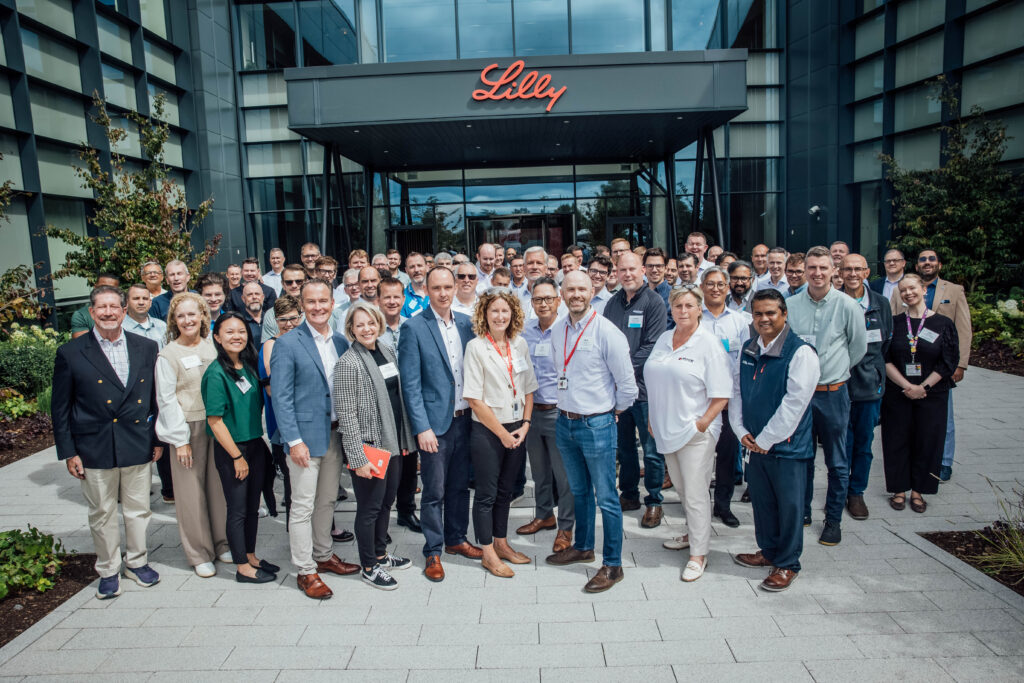
The Manufacturing Leadership Council recently brought around 100 of its members to a tour at Analog Devices and Eli Lilly and Company in Limerick, Ireland—MLC’s first European plant tour, as well as its first tour to feature visits at multiple companies.
Exploring Robotics and Physical Intelligence at Analog Devices
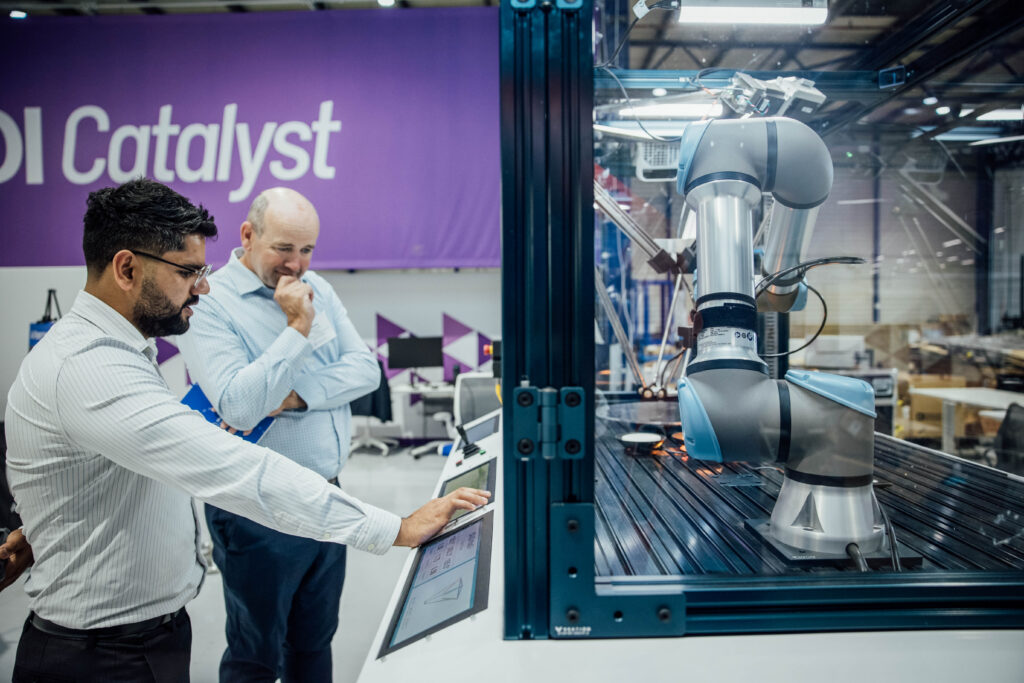
As a semiconductor manufacturer, Analog Devices is both a consumer of robotics and automation for its fab operations as well as a developer of those technologies for their partners and customers. Its Catalyst Innovation Hub was designed for collaboration with customers to develop custom automation solutions that are tailored to their specific needs.
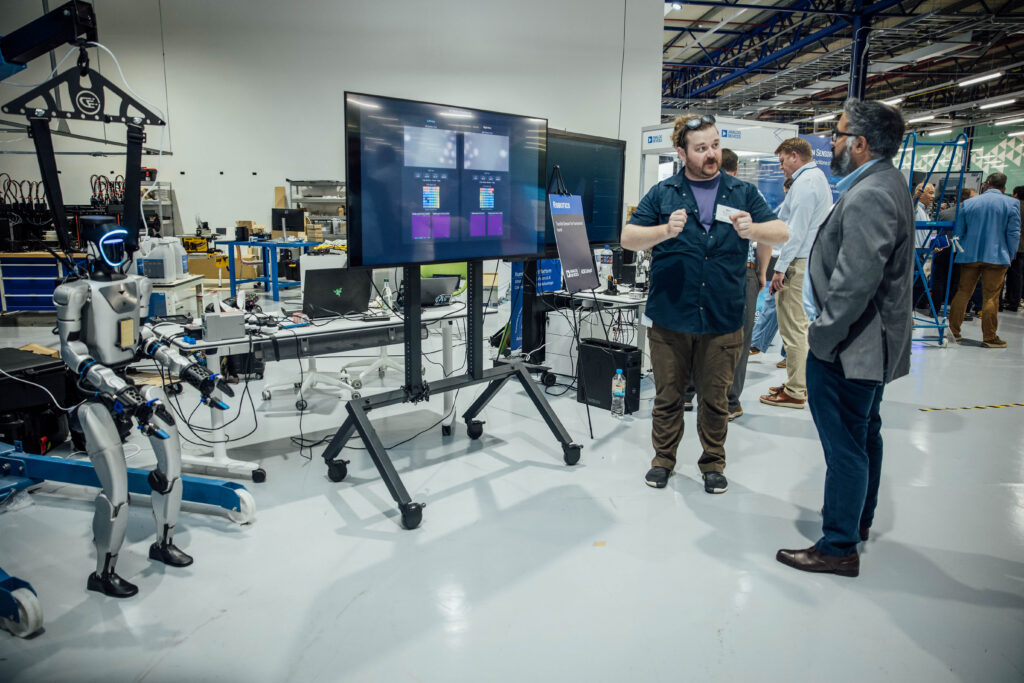
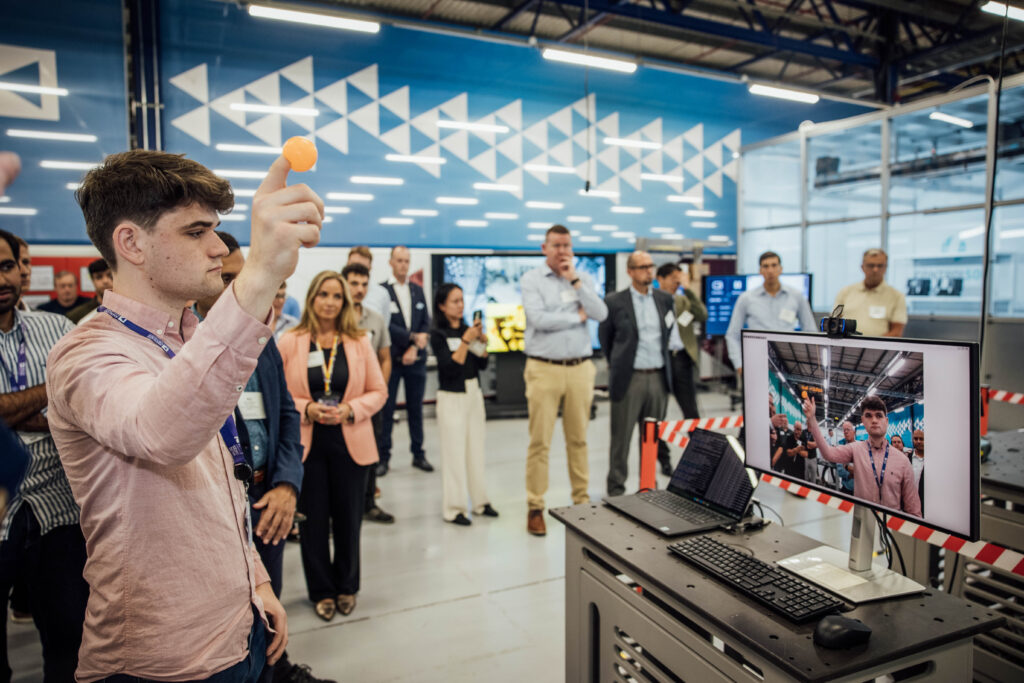
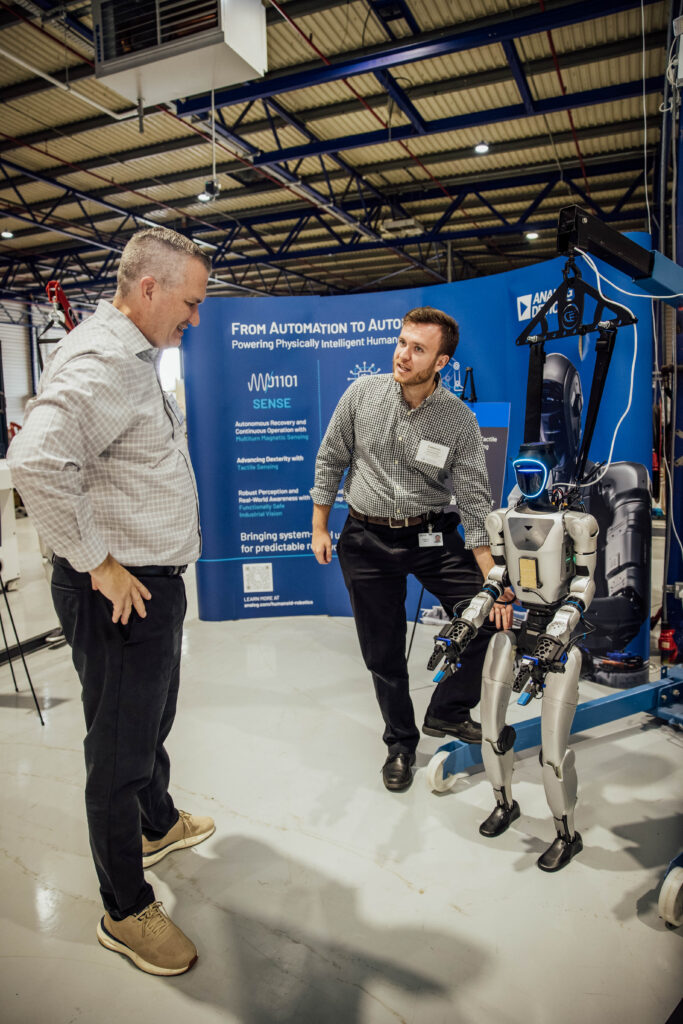
Attendees began the tour’s first day at the Catalyst facility with case study demos for material handling and next-gen robotics. The experts who led the demos shared their approach to training robots, which include simulation, teleoperation and human demonstration. This included a demo of a humanoid hand, which includes 20 motors and sensors to detect pressure, force, velocity and acoustics.
Analog’s experts also shared the challenges around the scarcity of data for training AI-enabled robots: While LLMs are trained on trillions of web pages, similar data does not exist in the physical world. Robots must be trained for the conditions that they would encounter on the shop floor, how the physical world behaves and how its own actions affect it.
In the afternoon, attendees were given time for a self-guided tour to interact with more than 30 test beds that demonstrated additional capabilities Analog Devices and its partners have developed for building, testing and validating automation. The day closed with panel discussions on material handling, physical intelligence and leaders’ role in fostering Manufacturing 4.0 before an evening reception and dinner.
Inside Lilly’s First Digital Manufacturing Site
The following day, the group reconvened for a tour at Lilly’s new greenfield biologics campus, which broke ground in 2023 and began production just this year. This “digital from the ground up” facility is Lilly’s most technically advanced site and produces active ingredients for medicines.
The plant is LEED Gold certified, Lilly’s first facility to earn this recognition, for its energy-efficient design, high-performance building systems and renewable energy usage. It also features an automated warehouse with clean room dispensing and kitting and an on-site QC testing lab.
Data ingestion begins as early as possible, from the time when materials arrive at the site. The plant’s digital twin allows for testing before committing to process changes in addition to remote collaboration with experts who are off site.
Lilly’s leaders described their digital strategy as built on three key pillars:
- Digitalized data collection
- Procedural automation for right-first-time execution
- Data analytics that can produce high-quality, AI-ready data
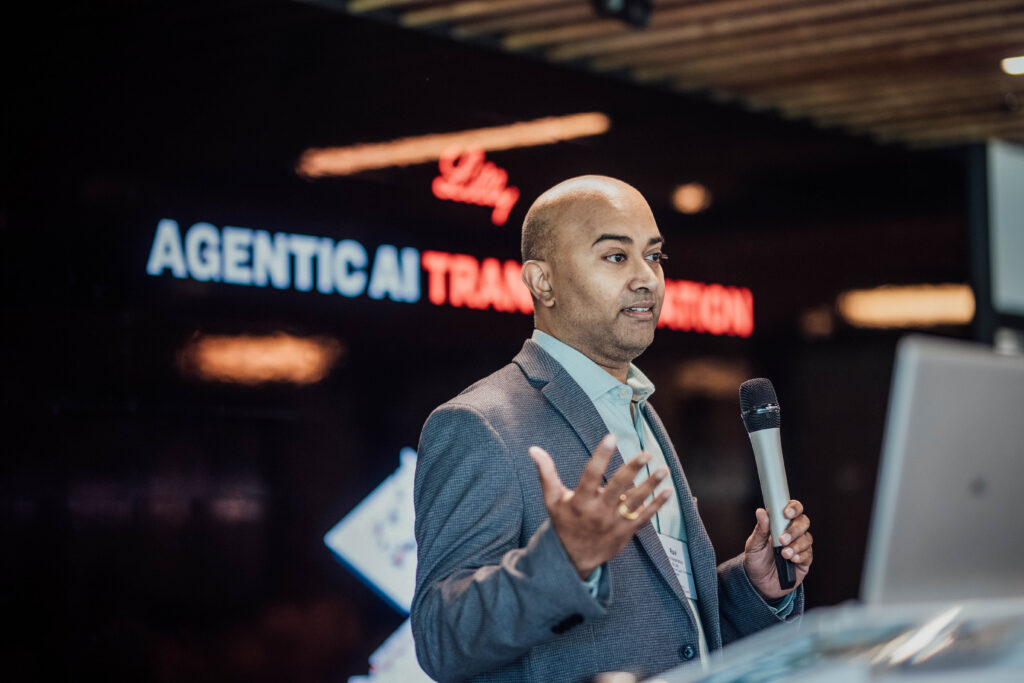
The company sees a successful digital strategy as one that is built on the partnership between the technology experts and the process owners, and that digital and AI culture is a cross-functional responsibility as well as a mindset. Lilly is putting a strong emphasis on agentic AI and is building agents to orchestrate work across systems.
The afternoon included several presentations and discussions on the topics of data management, digital strategy and Lilly’s holistic view of digital operations, rounding out the event with additional insights and ideas for attendees to consider for their own digital journey.
The next time you enjoy a pint at the local pub or sip a cup of Irish breakfast tea, raise your glass to something else that Ireland does exceptionally well: building the future of manufacturing. That “quintessentially Irish” list needs, and deserves, one more permanent addition.